The Last Year of Darkness: Fleeting Youth
June 4th 2026
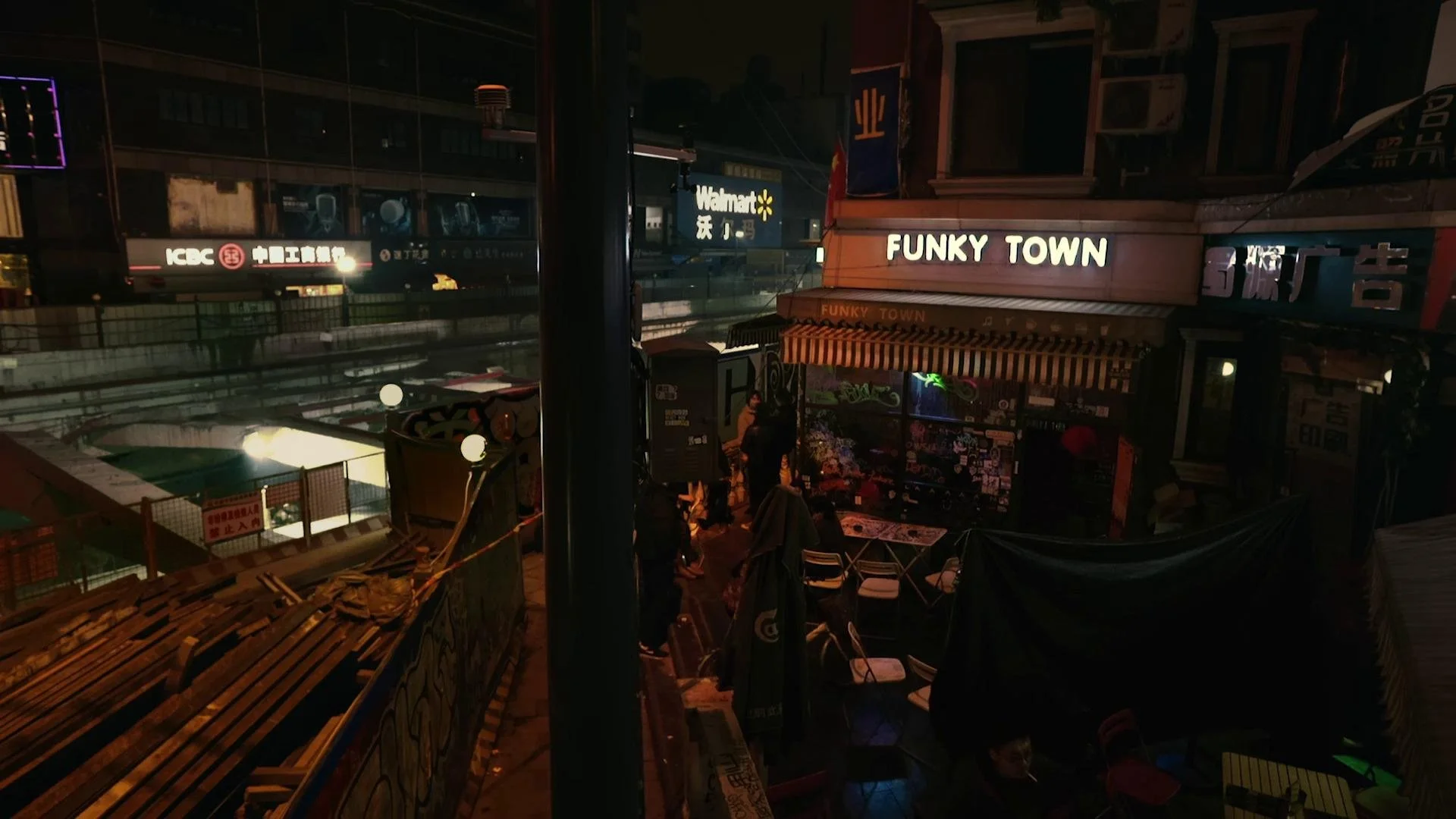
One of my favourite times in high school was summertime in California. There were no obligations. Time felt suspended. A gated community pool became my daily refuge. I did not go to flirt or socialize. I went alone, a book in my hand, wired head phones in my ears, the sun pressing gently against my skin. The pool was public, yet it felt privately mine. Inside those gates, I did not have to perform a version of myself. I could simply exist. Watching The Last Year of Darkness, directed by Ben Mullinkosson, I felt that same architecture of refuge in seeking of safety and acceptance. For the queer and alternative youth who gather at Chengdu’s underground nightclub Funky Town, the warehouse functions not merely as a venue but as a constructed sanctuary. Like my gated pool, it is a temporary border against a world structured by expectation. Mullinkosson’s documentary refuses conventional explanation. Shot over more than one hundred nights, the film adopts an immersive cinéma vérité style. There is no narrator guiding interpretation and no statistics contextualizing queer life in China. Instead, the camera embeds itself within the crowd. It breathes with the dancers. It lingers in bathrooms and on rooftops. It waits through silences. The result is not sociological distance but experiential proximity.
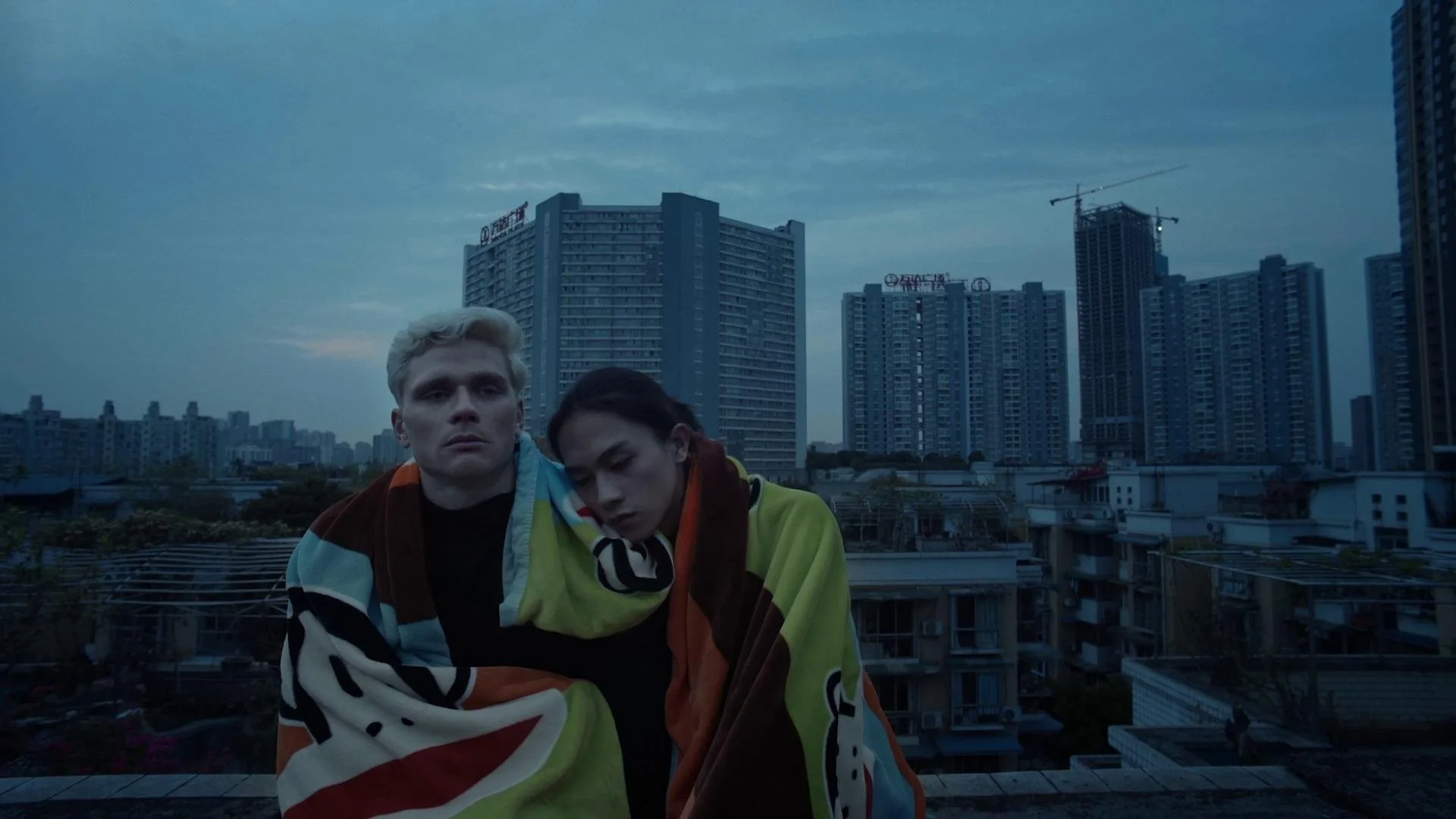
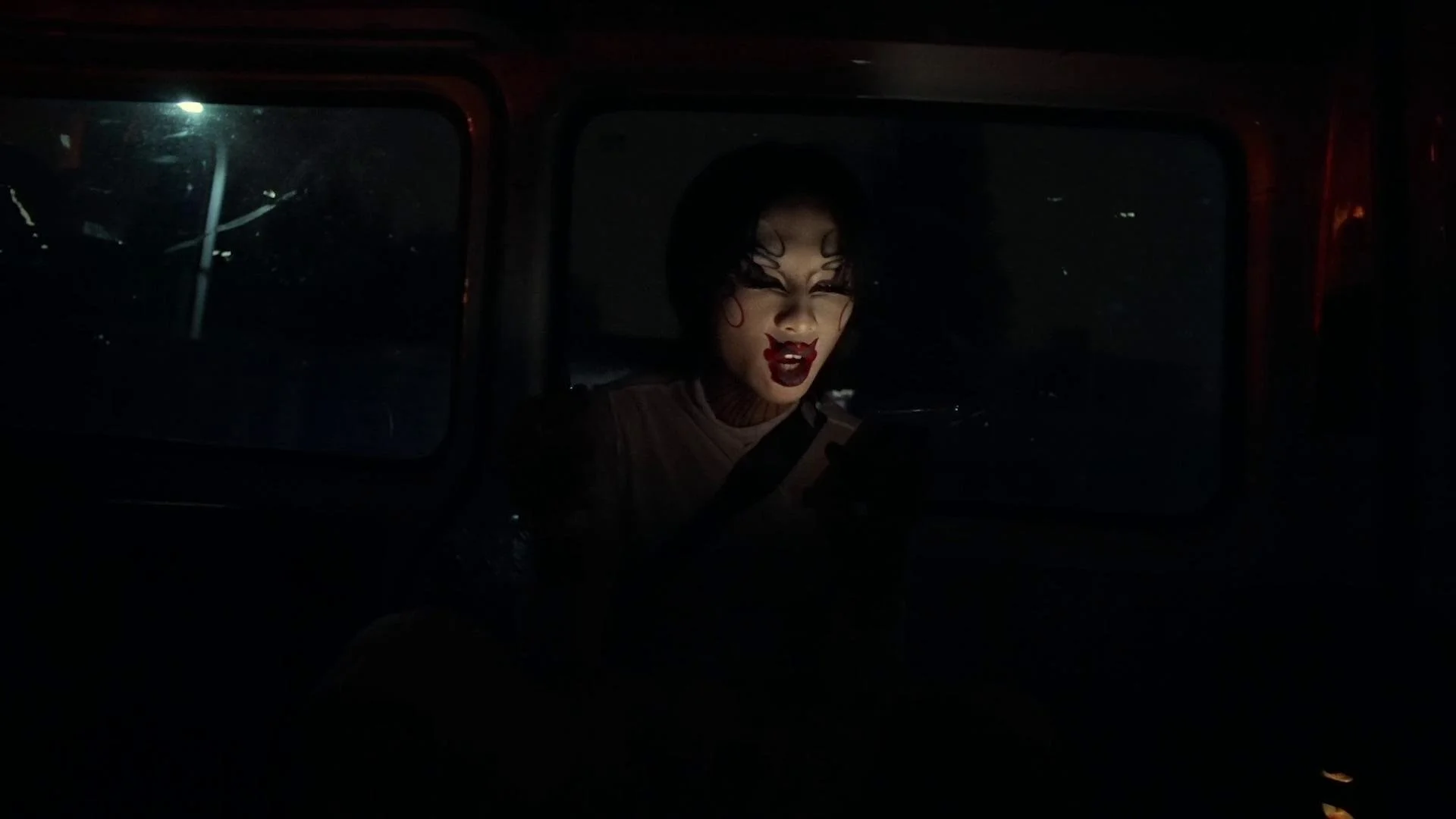
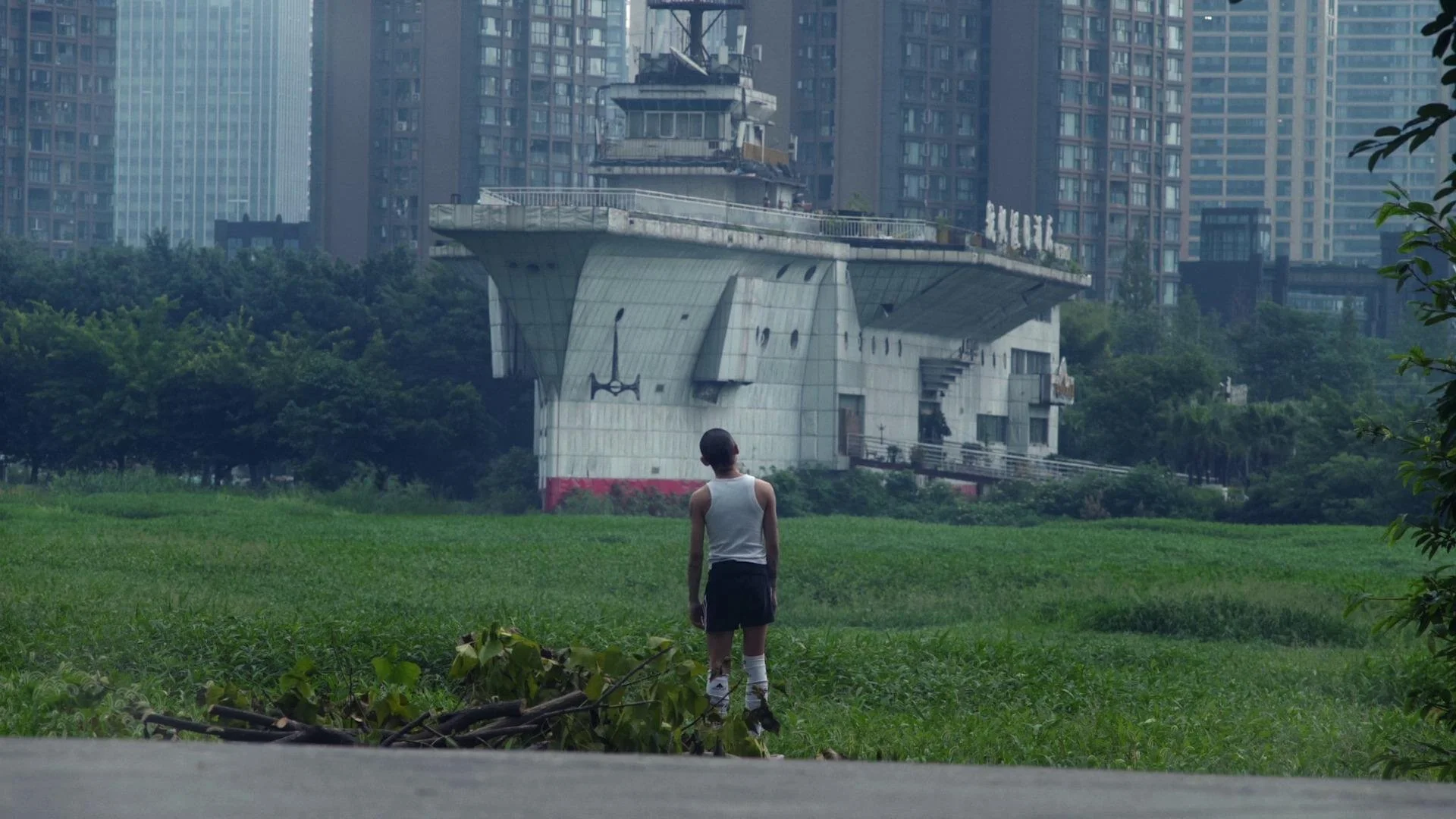
Formally, the film operates through contrast, particularly between day and night. Daytime sequences are stripped of music. We hear construction noise, traffic, and the overlapping chatter of public life. The framing widens. Characters appear smaller within Chengdu’s dense urban landscape. The metro construction that will eventually demolish Funky Town becomes an understated antagonist. These sequences are emotionally exposed. There is no sonic cushion. Night disrupts that exposure. Inside the club, the cinematography shifts into saturated neon tones. The handheld camera moves through bodies rather than observing from a distance. Faces are illuminated intermittently by flashes of pink and blue. The bass heavy electronic music becomes structural rather than decorative. Editing elongates dance sequences, allowing rhythm to dictate duration. Rather than cutting quickly, the film immerses us in tempo. Night is not an escape from reality. It is an intensification of it. It is within this darkness that confession becomes possible. In one of the film’s most memorable moments, the young skater casually says that he is grateful for sucking a lot of dicks this year. The bluntness of his statement is startling, but its power lies not in shock value. It lies in spatial permission and acceptance to inner thoughts let loose. Inside Funky Town, language loosens. Desire can be articulated without self censorship. When juxtaposed with his guarded physicality in daylight scenes, crossed arms, lowered gaze, careful speech, the contrast becomes formal evidence. Mullinkosson does not comment on repression. He edits around it. The body itself becomes proof of constraint. The club reshapes posture. It reshapes tone. It reshapes breath. The statement is not obscene. It is liberatory. Similarly, the drag performer articulates that performing does not necessarily make them happy, yet feels unavoidable. Drag reads less as entertainment and more as defiance, a visible refusal of imposed normalcy.
In a pivotal sequence, the performer visits family. The camera remains steady as relatives repeatedly question visible tattoos. Their concern appears practical. You will not get hired. You will not succeed. The repetition functions as quiet coercion. The violence is not dramatic confrontation. It is normalization. Mullinkosson avoids melodrama. The power lies in duration. He allows discomfort to stretch. The film’s politics emerge through environment rather than declaration. Funky Town is scheduled for demolition due to metro expansion and urban redevelopment. Capitalism and infrastructure operate as silent antagonists. The destruction of the club parallels the precarity of the identities it shelters. The space that permits vulnerability is itself temporary. This impermanence is reinforced structurally. The documentary does not follow a conventional narrative arc. Instead, it accumulates fragments, rooftop conversations at dawn, bathroom confessions, financial anxieties, intimate embraces, emotional breakdowns. Youth is presented not as a linear coming of age story but as repetition, cycles of euphoria and exhaustion.
The title underscores this temporality. This is the last year of darkness. The club will close. The metro line will be built. Daylight will dominate. Mullinkosson’s position as an American filmmaker documenting marginalized Chinese youth complicates the film’s ethics. He possesses mobility his subjects often do not. He can leave Chengdu. They remain within its social and economic structures. Yet the film resists exoticization. The camera’s proximity suggests trust rather than extraction. Long takes refuse sensationalism. There is no attempt to summarize these individuals into symbols. Instead, the film allows contradiction. Joy coexists with depression. Liberation coexists with constraint. One character struggles with self harm. Another oscillates between romantic hope and existential fatigue. The club does not cure trauma. It contains it temporarily. This is what makes the film universal. Though rooted in Chengdu’s queer underground scene, its emotional architecture transcends geography. Youth everywhere negotiates the same paradox, the desire to belong without surrendering authenticity. The recognition that complete freedom may only exist in temporary spaces. Watching these young people cling to night as if it were oxygen, I thought about my gated pool. About how certain spaces allow us to breathe before the world resumes its demands. Those summers were not dramatic. Nothing revolutionary occurred. But they offered suspension. A rehearsal for selfhood without surveillance. The Last Year of Darkness understands that fleeting freedom is still freedom. It does not promise permanence. It does not romanticize rebellion. Instead, through immersive cinematography, rhythmic editing, and careful spatial contrast, it preserves the fragile architecture of belonging before it disappears. The club will close. The neon will dim. Construction will continue. But for one year, in darkness, these bodies were fully illuminated.